THE PRACTICAL MEDICINE EDITION / 001

Clearer skin begins with clearer answers.

A thoughtful guide to lymecycline—the prescription antibiotic sometimes used for inflammatory acne. Understand the treatment, know what to expect, and make more informed decisions with your clinician.

✳ Independent educational content. Not a prescription or a substitute for medical advice.
Minimal skincare bottles arranged in natural light
THE SKIN
FIELD GUIDE
01 / A fresh perspective on acne care
SCIENCE, WITHOUT THE NOISE.SCROLL TO EXPLORE
01 — START HERE

Meet the medicine.
Know the context.

Lymecycline is one piece of acne care—not a complete skin routine and not the right medicine for everyone. The details matter.

THE BIG PICTURE

What exactly is lymecycline?

Lymecycline belongs to the tetracycline family of antibiotics. Clinicians commonly prescribe it for moderate to severe inflammatory acne, where spots may be red, sore or persistent. It works by limiting the growth of susceptible bacteria and can help reduce inflammatory acne lesions.

It is taken by mouth as a capsule and is available only on prescription in the UK. Acne is influenced by several factors, including oil production, blocked follicles and inflammation, so an antibiotic may be used alongside a topical treatment as part of an overall plan.

Read the complete medicine overview
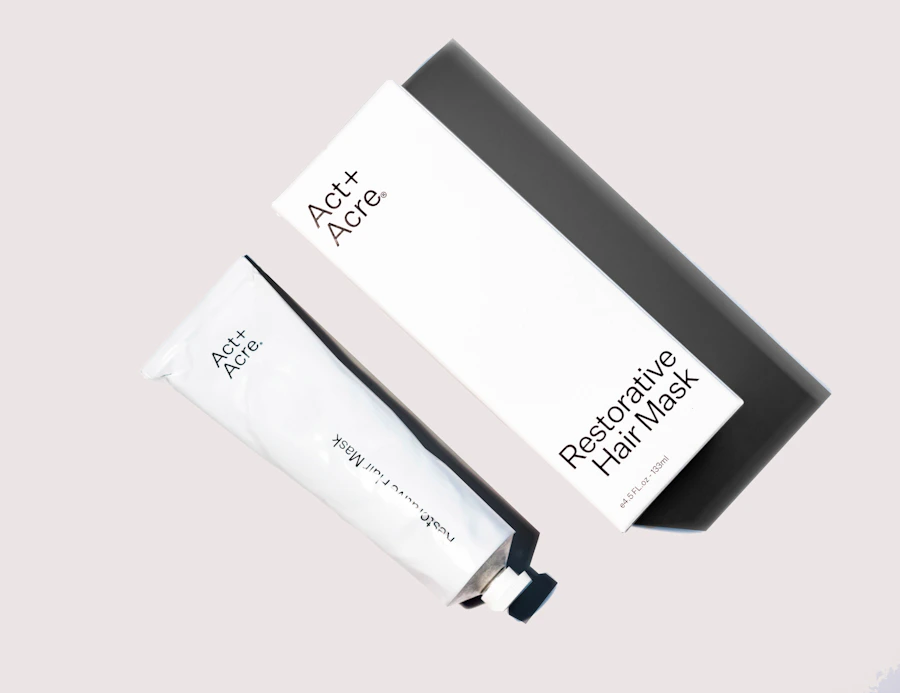
Neutral skincare products on a warm beige surfaceBETTER QUESTIONS. BETTER CONVERSATIONS.
01

Prescription only

A healthcare professional should confirm whether it is suitable for you and explain how long to take it.

02

Not an overnight fix

Changes take time. For acne, treatment commonly continues for at least eight weeks before its benefit is reviewed.

03

Part of a wider plan

Your clinician may recommend a topical acne treatment and a simple, non-irritating skincare routine.

THE FIELD NOTE

“Progress in acne care is rarely linear. A steady plan and regular review matter more than chasing an overnight change.”

LESS GUESSWORKMORE UNDERSTANDING
02 — THE TREATMENT JOURNEY

A little structure
goes a long way.

Use this as a conversation guide, not a treatment schedule. Your prescription and your clinician’s instructions always come first.

Person following a calm morning wellness routine
CONSISTENCY OVER PERFECTION ↗
01 / BEFORE YOU BEGIN

Make the plan personal.

Tell your prescriber about your medicines, supplements, allergies, pregnancy plans and any kidney or liver problems. Ask what type of acne is being treated, whether a topical medicine is recommended, and when your response should be reviewed.

02 / THE DAILY ROUTINE

Follow your own label.

For acne, the usual adult regimen in UK guidance is one 408 mg lymecycline capsule daily (equivalent to 300 mg tetracycline), but your prescription may differ. Swallow the capsule whole with a full glass of water. It can be taken with or without food; taking it with food may help nausea.

03 / THE FIRST FEW WEEKS

Look for trends, not daily perfection.

Some people notice early improvement, while fuller results can take several weeks. Try to assess changes over time rather than checking individual spots each day. Contact your clinician if symptoms are worsening or the plan is difficult to tolerate.

04 / REVIEW & NEXT STEPS

Revisit the treatment together.

Acne treatment is often assessed after around eight weeks. If there is little or no improvement, ask whether the diagnosis or treatment needs adjusting. Do not prolong antibiotics independently; a clinician should review the need for continued use.

Build a gentle supporting routine.

A mild cleanser, non-comedogenic moisturiser and daily sun protection can help keep your routine manageable. Avoid adding multiple harsh exfoliants at once. Your prescribed topical treatment should be used exactly as directed.

Explore skincare basics
Soft daylight and calm, minimalist personal-care setting
A REMINDER WORTH KEEPING

Be kind to your skin.
Be curious about your care.

Good information should help you feel prepared for a conversation—not pressured to make a medical decision on your own.

03 — SAFETY FIRST

The details
worth knowing.

Like all medicines, lymecycline can cause side effects and interact with other treatments. These are key topics to discuss with a pharmacist or prescriber.

COMMON EFFECTS

Know what may happen.

Nausea, stomach pain, diarrhoea and headaches are among the commonly reported side effects. They are often mild, but persistent or troublesome symptoms deserve a conversation with a healthcare professional.

More on side effects ↗
SUN EXPOSURE

Take sunlight seriously.

Lymecycline may make skin more sensitive to sunlight or ultraviolet light. Limit strong sun exposure, avoid sunbeds, and ask your care team about appropriate sun protection.

Read the sun-safety guide ↗
MEDICINES & SUPPLEMENTS

Check combinations first.

Iron, certain antacids and mineral supplements can reduce absorption if taken too close to lymecycline. Oral retinoids such as isotretinoin must not be combined with it. Ask your pharmacist to check your full medication list and timing.

Explore interaction questions ↗
PREGNANCY & AGE

Check whether it fits.

Lymecycline is generally not used in pregnancy or while breastfeeding. It is not recommended for children under 12. Tell your prescriber if you are pregnant, planning pregnancy, breastfeeding or treating a child.

Understand suitability ↗

When to seek urgent help

Seek emergency medical help for swelling of the face, lips or throat, breathing difficulty or a severe blistering rash. Seek prompt medical assessment for a severe or persistent headache with blurred or double vision, or yellowing of the eyes or skin. This is not an exhaustive list of warning signs.

04 — QUICK ANSWERS

Questions are
always welcome.

Short answers to common questions, with links to trusted medical references below. Personal advice should come from someone who knows your medical history.

Visit our contact page
Green leaves casting soft shadows in natural light
How long does lymecycline take to work for acne?

Early changes may occur in the first week for some people, but meaningful improvement often takes several weeks. Your clinician may review treatment after about eight weeks. Do not change your course based on a single good or bad skin day.

Can I take lymecycline with food?

Yes. UK NHS guidance says it can be taken with or without food. Taking it with food can help reduce nausea. Always swallow the capsule whole with a glass of water and follow your own product leaflet.

What if I forget a dose?

Follow the instructions in your prescription leaflet or ask a pharmacist. Do not take a double dose to make up for a missed one. If you are unsure what to do, check before taking extra medicine.

Can I use skincare products while taking it?

Often, yes. A clinician may prescribe a topical acne treatment alongside an oral antibiotic. Keep other skincare gentle, introduce potentially irritating products thoughtfully and ask about any prescription creams you use.

Does lymecycline interfere with contraception?

Lymecycline itself does not normally stop hormonal contraception working. However, vomiting or severe or prolonged diarrhoea can affect the reliability of oral contraceptive pills. Check the contraceptive leaflet and speak with a pharmacist if this happens.

Is lymecycline the same as isotretinoin?

No. Lymecycline is a tetracycline antibiotic; isotretinoin is an oral retinoid. They are different medicines and should not be taken together because the combination can increase the risk of raised pressure inside the skull.

Should I stop once my skin looks clearer?

Do not independently shorten, extend or restart a prescription. Ask your prescriber when to finish treatment and what ongoing acne-care plan is appropriate. Antibiotic use should be reviewed to limit unnecessary exposure and resistance.

READ FURTHER

Start with trusted sources.

This page is educational and does not provide a diagnosis. For product-specific instructions, consult the leaflet supplied with your medicine and your healthcare professional.

KEEP LEARNING

Better informed.
More at ease.

Read about acne care, ingredients and the questions that make a healthcare appointment more useful.

Explore the journal